About the author : jacksmetalwork

When a metal project calls for bends and curves, it’s not just about force — it’s about precision. Whether you’re designing a railing, a custom bracket, or an architectural element, the tools and techniques used to shape metal can make a big difference in how the part functions and looks. At Jack’s Metal Works, bending and rolling are core fabrication processes that help transform flat metal into complex shapes with accuracy and durability.
Understanding these processes can help you plan your projects better and know when to ask for specific capabilities. If you want a quick overview of what the shop can handle, see their fabrication capabilities page.
The Difference Between Rolling and Braking
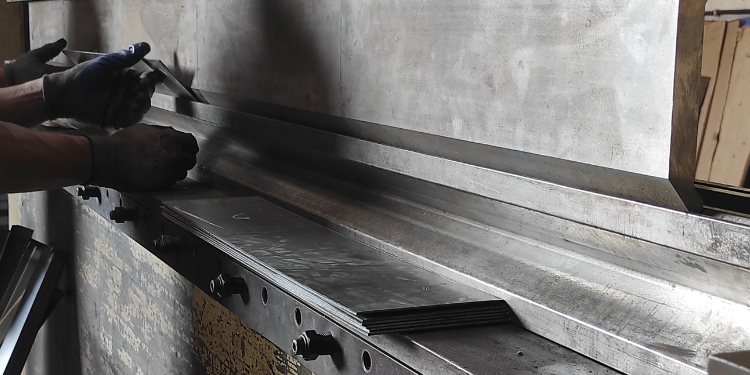
“Braking” refers to bending metal along a straight line using a press brake machine. This is often used to create crisp, uniform bends — especially at 90 degrees or other specific angles. Press brakes are ideal for boxes, channels, panels, and structural pieces that need precise edges. “Rolling” is a different technique that curves metal gradually, using rollers to form arcs and circles. It’s commonly used for pipes, tubes, rings, and curved panels.
Each tool serves a different purpose:
- Press Brake: Sharp, straight bends
- Plate Rolling: Smooth curves and radii
Because they shape metal differently, the choice between these tools depends on your project’s needs. For example, a support bracket might use a press brake, while a decorative rounded element might require rolling.
Why Precision Matters
Accurate bends and curves ensure parts fit together as designed — especially when they need to meet other components. When multiple pieces connect, small variations in bend angle can cause misalignment, gaps, or stress points. Precision bending maintains structural integrity and improves the finished appearance. To learn more about material behavior and bending, the American Society of Mechanical Engineers (ASME) offers useful engineering references: ASME.
Precision also matters when metal thickness changes the equation. Thicker plate requires more force and slower bending to avoid cracking or wrinkling. Because Jack’s Metal Works handles many thicknesses and materials — steel, stainless, aluminum — they can plan the best approach based on experience and equipment.
Common Uses for Rolled and Braked Parts
Both rolling and braking have common applications in custom fabrication work:
- Bent brackets and supports
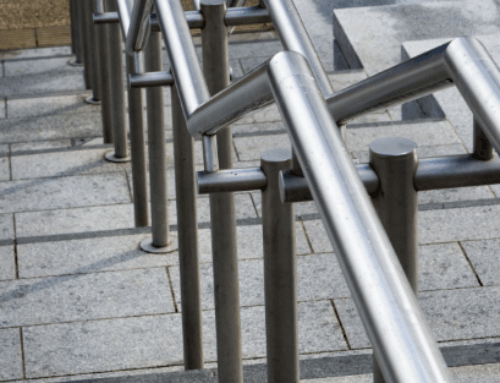
- Curved architectural elements
- Pipe and tube rings
- Protective guards with precise angles
- Decorative accents that require arcs or radii
Whether you need simple bends or advanced curves, understanding how these processes affect your part helps you plan better and communicate clearly with your fabricator before cutting begins.
How Fabricators Plan Bending and Rolling
Fabricators often start with a drawing, sketch, or example part. This allows them to calculate the correct dimensions, account for material stretch during bending, and verify that the finished part will perform as expected. More advanced software or CNC-controlled brakes can ensure repeatability when multiple parts are needed.
If you’re unsure which technique fits your project, a conversation with your fabricator helps narrow down the best path forward. A well-planned bending or rolling sequence saves time, reduces waste, and improves consistency in the final result.
Finish and Post-Bend Considerations
After a part is bent or rolled, additional finishing steps may be needed depending on the application. These could include grinding edges, drilling holes for mounting, welding pieces together, or applying a finish. Many of these follow-up processes are part of broader fabrication workflows, which you can explore in the shop’s project gallery: metal project gallery.
At the end of the day, bending and rolling are foundational techniques in custom metal fabrication. When done well, they take your ideas from flat stock to three-dimensional parts that perform reliably and look great. It’s another example of how experienced fabricators turn concepts into quality metalwork.