About the author : jacksmetalwork

Custom metal railings, steps, and safety features are important elements in homes, businesses, and commercial properties. They do more than support weight — they define spaces, influence aesthetics, and protect people. When designed thoughtfully, these features combine strength, durability, and style. For many homeowners and contractors in the Treasure Valley, Jack’s Metal Works helps bring these ideas from concept to completion.
Before you start a project, it helps to think about how your railing or step design will meet both practical and design goals. A good starting point is understanding what the shop can do. You can learn more about their approach on the fabrication capabilities page.
Balance Function and Aesthetic
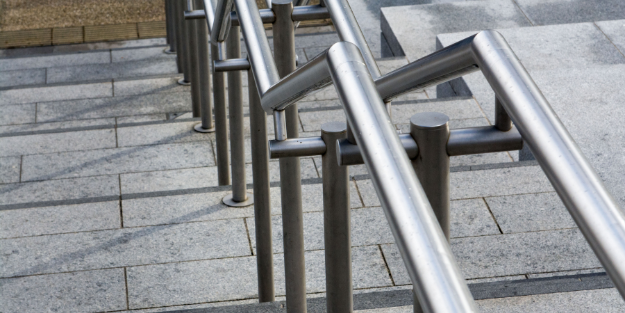
Every railing or step should be safe and functional, but that doesn’t mean it can’t also be attractive. Combining robust materials with thoughtful patterns, textures, or finishes can elevate a simple guardrail into an architectural highlight. Consider how your railing will interact with other building materials like wood, concrete, or glass.
Some design tips include:
- Choosing a consistent material palette
- Using clean, simple lines for a modern look
- Adding subtle decorative elements without compromising strength
- Thinking about finishes that reduce glare or reflectivity
Safety Comes First
Metal railings and steps are safety features as much as they are design elements. Building codes often specify handrail height, spacing, and load capacity. While the fabricator doesn’t set the codes, understanding these requirements early in the design process helps prevent revision later. If you’re unclear on local building standards, the International Code Council (ICC) provides general guidance on guardrails and handrails: International Code Council.
Whether it’s a residential deck railing or a commercial stair set, thinking about how people will use the space — especially in wet or high-traffic areas — will guide material choice and design considerations.
Choosing the Right Material
Steel, stainless steel, and aluminum all have roles to play depending on how and where the railing or step will be used. For outdoor railings exposed to weather, stainless steel or properly finished steel may be preferred for long-term durability. Aluminum is lighter and often used where weight matters, like balcony guardrails.
Planning for Installation
Railings and stairs often need to integrate with existing structures. Before fabrication begins, it’s helpful to share measurements, mounting details, and pictures with your fabricator. This reduces guesswork and helps the shop plan cuts, welds, and connection hardware more precisely.
For example, if a railing will bolt into concrete, punch holes later, or weld to an existing frame, those details matter. Bringing clear reference information ensures the first iteration fits as expected. Many clients find success by pairing photos with rough sketches when they start the conversation.
Finish Options and Protection
Finishes matter not just for appearance, but for longevity. Powder coating, paint, plating, or clear sealants can protect metal from moisture, abrasions, and wear. Talking through finish priorities early in the project helps your fabricator plan which processes and materials to use so the installation performs well over time.
Finished railings and steps that balance design, safety, and durability can significantly enhance how a space feels and functions. Whether your vision is simple and utilitarian or more elaborate and architectural, clear planning and experienced fabrication help turn concepts into lasting results.
For inspiration, you can browse past projects in the gallery.