About the author : jacksmetalwork

One of the most common questions people have when starting a metal project is simple: “Which metal should I use?” The right choice depends on where the finished piece will live, what it needs to handle, and how you want it to look long-term. Whether you’re building something functional like brackets or steps, or something decorative like a sign or custom trim, selecting the right material up front can save money, time, and frustration later.
At Jack’s Metal Works, customers often compare steel, stainless steel, and aluminum because each has advantages depending on the job. The shop’s team works with all three materials and keeps metal in stock for purchase, which helps customers move faster from idea to build. If you’re planning a project and want to understand what’s available, start with their metal sales in Boise page.
Steel: Strong, Versatile, and Cost-Effective
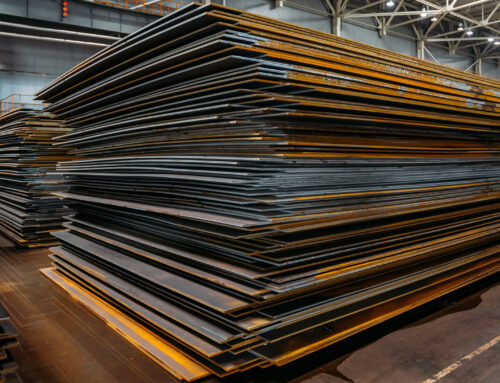
Steel is the go-to choice for strength and value. It’s widely used in structural applications, frames, brackets, supports, and many indoor projects. Steel can also be used outdoors, but it typically needs a protective finish to help reduce rust and corrosion over time. If a project needs durability and budget matters, steel is often a strong starting point.
Stainless Steel: Great for Corrosion Resistance and Clean Looks
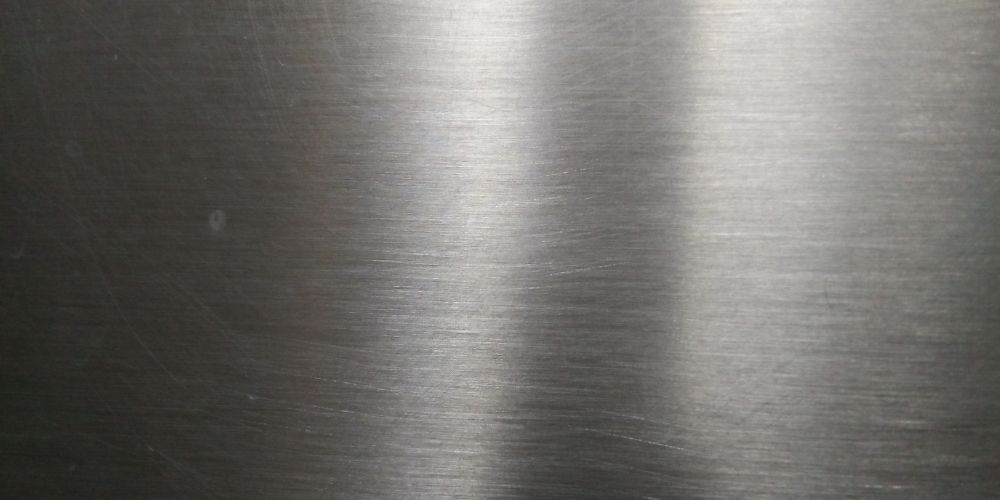
Stainless steel is popular when corrosion resistance is important or when the finished product needs to maintain a clean appearance. It’s commonly used in environments where moisture is a concern, or where appearance matters and the metal may be visible. Stainless can be a great option for certain architectural features, signage, and functional pieces that need a more refined look.
Stainless alloys vary, so it’s helpful to have a conversation with a fabricator about the environment the metal will be exposed to. For general background, the Specialty Steel Industry of North America provides helpful information about stainless steel and its uses: SSINA stainless steel resource.
Aluminum: Lightweight and Naturally Corrosion-Resistant
Aluminum is a strong choice when weight matters. It’s often used for projects where you want easier handling or reduced load, and it has natural corrosion resistance compared to many steels. Aluminum can also be finished in ways that look sleek and modern. It’s a common pick for certain outdoor applications, trims, and fabricated components where you want strength without bulk.
If you’d like a simple overview of aluminum properties and how it’s commonly used, the Aluminum Association offers a helpful reference: Aluminum Association.
How to Decide: A Quick Framework
- Location: Will it be indoors, outdoors, or exposed to moisture?
- Strength needs: Does it carry weight or handle impact?
- Appearance: Does the metal stay visible or get painted/coated?
- Budget: Does the project need a cost-effective option?
Get Help Before You Buy
Most metal projects go smoother when you choose the material before you finalize measurements or finish details. If you’re unsure, it helps to talk through the goal of the project and the environment it will be used in. Jack’s Metal Works supports customers by combining in-stock metal sales with real fabrication experience. You can also explore the shop’s equipment and services on their metal fabrication capabilities page to get a sense of what’s possible.
When you choose the right metal from the start, everything that follows—cutting, shaping, welding, finishing—gets easier. And the final result tends to last longer and look better.