About the author : jacksmetalwork

When people think about metal fabrication, they often picture welding first. But before a weld ever happens, most projects depend on one essential step: accurate cutting. Clean cuts help parts fit correctly, reduce rework, and make assemblies look professional. That’s where CNC plasma cutting plays a major role in modern fabrication.
Jack’s Metal Works uses in-house equipment to cut sheet metal to custom dimensions, supporting projects that require accuracy and repeatability. CNC cutting is one of the capabilities listed on their Boise metal fabrication homepage, along with rolling, shearing, braking, and welding. If you’re planning a project and want to understand what the shop can do, see the overview on Jack’s Metal Works and the details on their capabilities page.
What CNC Plasma Cutting Does (In Plain English)
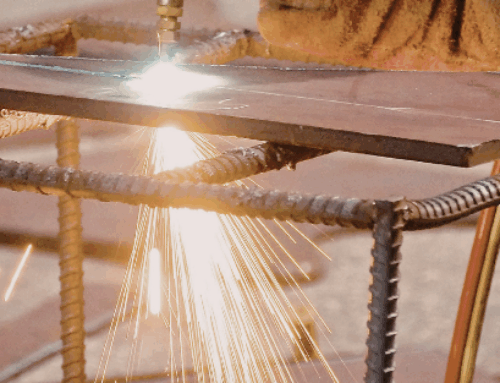
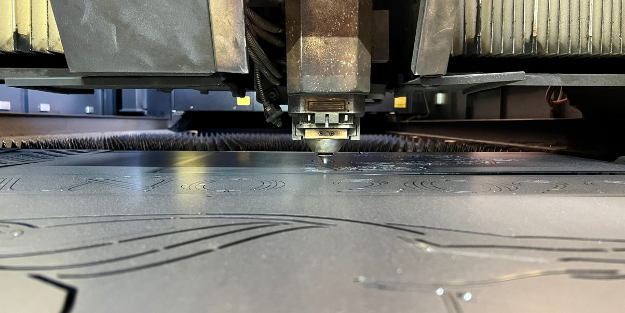
CNC plasma cutting uses a computer-controlled system to guide a high-temperature plasma arc along a defined path. The CNC component is what provides repeatable precision. Rather than relying on hand-cutting or guesswork, the system follows a programmed pattern so parts can be produced consistently.
Why Accuracy Matters in Fabrication
Accurate cuts affect everything that comes after: fitment, assembly, welding, and final finish. When pieces are cut correctly, you get tighter joints and cleaner lines. That often means less grinding, fewer gaps, and a better final appearance.
Accuracy also matters when parts need to match existing components—especially in repair work or retrofit projects. When a metal part must align with pre-drilled holes or match an older component, clean cutting reduces the chance of “make it fit” adjustments on-site.
Common Uses for CNC-Cut Parts
- Custom brackets and mounting plates
- Base plates for equipment or structural supports
- Signage components and decorative metal features
- Production runs of repeat parts
- Repair components that need a precise match
Safety and Standards Still Matter
Even with great equipment, fabrication should always prioritize safety and proper practices. The OSHA guidance on welding, cutting, and brazing is a helpful general resource for understanding safe practices in metalwork environments: OSHA welding and cutting safety.
How to Prepare for a CNC Cutting Request
Customers usually get faster turnaround when they bring clear measurements, a sketch, a photo, or a basic idea of the application. If you don’t have a drawing, that’s okay—many projects can still start with a conversation and a few key details about where the part will be used.
Why In-House Cutting Helps Customers
When cutting is handled in-house, timelines are often shorter and coordination is easier. There’s less risk of delays caused by outsourcing or shipping. And when the cutting and fabrication happen under the same roof, it’s easier to confirm fit and adjust details before the project moves to finishing.
In short, CNC plasma cutting is one of the quiet advantages that can make a fabrication project feel smooth. It supports better fit, cleaner fabrication, and more consistent results—especially when paired with a shop that can handle the rest of the process from start to finish.